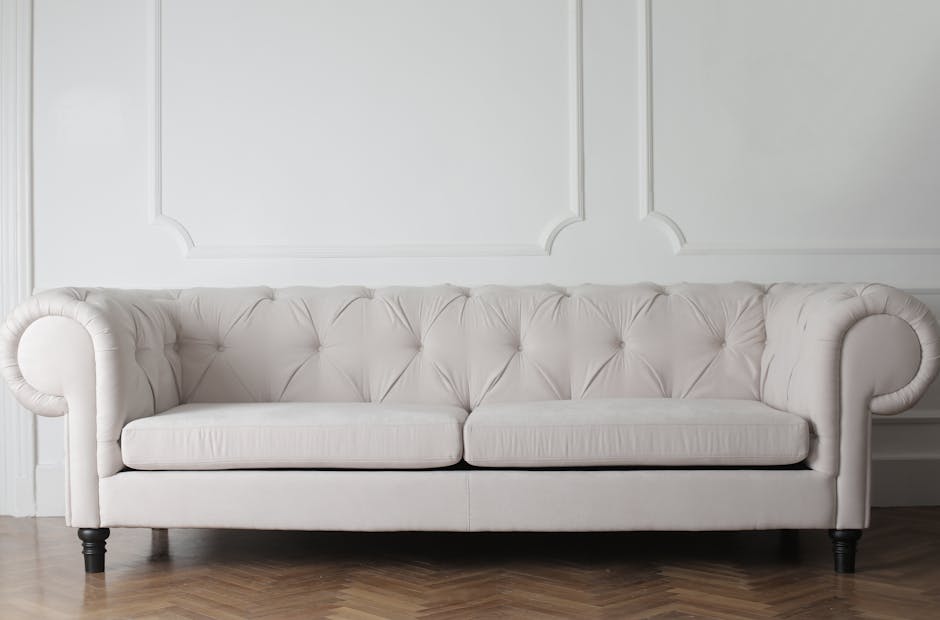
Bedford Hill upholstery cleaning options Balham: a practical guide for local homes and businesses
If your sofa has lost its colour, the armchair looks a bit tired, or a favourite dining chair now carries the memory of every spill since 2019, you are in the right place. Bedford Hill upholstery cleaning options Balham cover more than a quick freshen-up; they include fabric-safe stain treatment, deep cleaning for everyday wear, and careful restoration of pieces you actually want to keep. In a busy part of Balham, where homes, rentals, and small businesses all need their interiors to stay presentable, knowing the right approach can save money, avoid damage, and make a room feel better almost instantly.
This guide walks through the main methods, when they make sense, what results to expect, and how to choose a sensible route for your furniture. You will also find a simple checklist, a comparison table, and a few real-world pointers that help separate the useful options from the "sounds fine until it ruins the fabric" kind. Let's keep it practical.
Why Bedford Hill upholstery cleaning options Balham Matters
Upholstery is one of those things that quietly shapes how a room feels. A bright sofa can make a flat look cared for; a marked, flattened one does the opposite. In Bedford Hill and the wider Balham area, where many households juggle commuting, pets, children, guests, or shared living spaces, upholstery takes a fair amount of daily punishment. Dust settles into fibres. Body oils build up on headrests. Drinks spill. Pet hair clings. And after a while, the furniture may still be structurally fine, but it no longer looks or smells fresh.
That is why the "which option should I choose?" question matters. Some fabrics can handle wet cleaning well. Others need a gentler, low-moisture approach. Some issues are mainly cosmetic. Others are hygiene-related, such as odours, allergens, or deep-set grime around the seams. Choose well and you extend the life of the piece. Choose badly and you can leave water marks, shrinkage, dye bleed, or a very expensive-looking mistake. To be fair, upholstery is more sensitive than a lot of people assume.
There is also a lifestyle side to this. In a rental, a cleaner sofa can improve first impressions. In a family home, it can make the living room feel calmer and less stuffy. In a small office or customer-facing space, it helps maintain a professional look without replacing furniture unnecessarily. That is the practical value here: better appearance, better hygiene, better use of what you already own.
How Bedford Hill upholstery cleaning options Balham Works
Most upholstery cleaning starts with identification. A professional or experienced cleaner will look at the fabric type, the condition of the item, any stains, and how the upholstery has been used. That first assessment decides the method. It is not glamorous, but it is the part that prevents avoidable damage.
In general, upholstery cleaning options fall into a few broad categories:
- Hot water extraction for durable fabrics that can tolerate a deeper wash.
- Low-moisture or dry-style cleaning for delicate fabrics or situations where fast drying is important.
- Spot and stain treatment for targeted marks before a broader clean.
- Odour treatment where smells from pets, food, smoke, or moisture are the main issue.
- Fabric protection in some cases, to help reduce future soiling.
A typical visit starts with vacuuming, then a test on a small hidden area. This sounds basic, but it is not optional. Fabric dyes, trims, and older finishes can react in ways you would never guess from the outside. After testing comes pre-treatment, agitation where appropriate, and the actual cleaning stage. Finally, the fabric is extracted or carefully wiped down and left to dry in a way that avoids flattening or residue.
If the sofa is heavily used, you may notice the cleaner paying more attention to armrests, seat fronts, and head contact areas. Those parts usually hold the most embedded soil. The room itself matters too: poor airflow, thick curtains, or a cold day in Balham can slow drying more than the cleaning stage itself. Small detail, big difference.
For a broader clean across the home, some people combine upholstery work with sofa cleaning, curtain cleaning, or even a wider deep cleaning appointment. That can make sense if dust and odour are present across more than one item.
Key Benefits and Practical Advantages
The obvious benefit is a cleaner-looking chair or sofa. But the real value goes further than that.
- Longer furniture life: removing grit and grime reduces wear on fibres.
- Better indoor freshness: upholstery often traps smells that linger in a room.
- Improved appearance: colour and texture tend to look brighter after treatment.
- Allergen reduction: cleaning can help reduce dust build-up and pet-related debris.
- Better use of existing furniture: replacing a sofa is far more expensive than caring for it.
There is also the emotional side. A well-cleaned sofa changes how a home feels at the end of the day. You sit down and notice the fabric feels lighter, less sticky, less "lived in" in the wrong way. It sounds small, but it is a real quality-of-life improvement. And frankly, if you have ever tried to ignore a mysterious stain every time you walk past it, you know what I mean.
For landlords, tenants, hospitality operators, or offices, the practical advantage is consistency. Clean upholstery supports a tidier standard across the property, which is especially useful alongside end of tenancy cleaning, Airbnb cleaning, or office cleaning. In those settings, first impressions really do count.
Who This Is For and When It Makes Sense
Bedford Hill upholstery cleaning options Balham are relevant to a wide mix of people. If you own upholstered furniture, there is usually a point where cleaning becomes more sensible than simply living with the marks.
This service makes particular sense if you are:
- a homeowner wanting to refresh a sofa, armchair, footstool, or dining chairs
- a tenant trying to leave a property presentable
- a landlord preparing for new occupants
- a local business with waiting-room seating or staff furniture
- a pet owner dealing with hair, odour, or the occasional accident
- someone sensitive to dust and wanting a fresher living space
- a person who has just had a one-off spill and wants it handled properly
It can also be a smart choice after redecorating. Fine dust from nearby work settles quickly, and upholstery seems to attract it as if by invitation. If you have recently done a room refresh, the furniture may need attention even if it does not look visibly dirty at first glance.
Not every item should be cleaned the same way. A sturdy synthetic sofa is one thing; an older velvet chair or mixed-fibre antique piece is another. That is why the decision should be made by item, not by room. Some fabrics are forgiving. Some absolutely are not.
Step-by-Step Guidance
If you want to make a sensible decision, follow a straightforward process. No drama, no guesswork.
- Identify the furniture and fabric type. Look for care labels, manufacturer guidance, or visible signs that the item is delicate.
- Note the problem. Is it general dullness, a specific stain, pet odour, or heavy traffic soiling?
- Consider drying time. If you need the room back quickly, low-moisture methods may be better.
- Check the age and condition. Older fabrics, loose stitching, or faded dye need more care.
- Decide whether one item or several need attention. A bundled appointment can sometimes be more efficient than booking piecemeal.
- Ask about pre-testing and stain treatment. The right cleaner will not skip that step.
- Prepare the area. Clear small items, cushions, throws, and anything fragile around the furniture.
- Allow proper drying. Ventilation matters. A cracked window or airflow can make a real difference.
One useful rule of thumb: if you are uncertain about the fabric, act cautiously. It is better to use a gentler method and repeat if needed than to go in hard and regret it later. I have seen people try to "save time" with a strong cleaner on a delicate chair. It rarely ends well.
If the item is part of a broader refresh, you may also want to look at rug cleaning or mattress cleaning. Those three together can make a room feel properly reset.
Expert Tips for Better Results
There are a few habits that consistently improve upholstery cleaning results. Nothing flashy. Just the sort of detail that makes a job go smoothly.
- Vacuum before the appointment. Loose debris can interfere with stain treatment.
- Point out problem areas early. Coffee spots, pet marks, and hidden edge stains are easy to miss.
- Be honest about DIY attempts. If you have already treated a stain, say so. It changes the approach.
- Use airflow during drying. It helps reduce dampness and lingering odour.
- Protect cleaned furniture. Give it a bit of breathing room before heavy use resumes.
For businesses, timing matters too. A quieter afternoon or end-of-day slot is often more practical, especially where customers or staff need uninterrupted access. For households, a day when windows can be opened is usually ideal. Simple, but effective.
If odour is part of the problem, ask whether the cleaner can combine stain treatment with pet stain odour removal or targeted stain removal. Not every smell is pet-related, of course, but the principle is the same: treat the source, not just the surface.
Expert summary: The best upholstery cleaning outcome usually comes from matching the method to the fabric, treating stains before the full clean, and allowing proper drying time afterwards.
Common Mistakes to Avoid
Most upholstery damage does not happen because people are careless on purpose. It happens because they assume the fabric is tougher than it is. That little assumption causes a lot of grief.
- Using random household products: bleach, harsh sprays, and scented cleaners can leave marks or residue.
- Scrubbing hard at stains: this often pushes the stain deeper or distorts the fibres.
- Skipping a patch test: especially risky on dyed or mixed fabrics.
- Over-wetting the upholstery: too much moisture can cause smell, staining, or prolonged drying.
- Ignoring manufacturer care advice: if the care label says caution, take it seriously.
- Waiting too long: fresh spills are far easier to treat than old, set-in marks.
Another common mistake is treating all upholstery as if it were the same. A cotton-blend cushion cover and a velvet accent chair do not want the same process. They really don't. The right approach saves time and avoids re-cleaning, which nobody enjoys.
Tools, Resources and Recommendations
You do not need specialist gear to make a good start, but a few practical tools help:
- a vacuum with an upholstery attachment
- a soft-bristled brush for lifting light surface dust
- clean white cloths for blotting spills
- a small fan or a well-ventilated room for drying
- a notebook or phone note to record fabric labels and care instructions
If you are comparing service providers, look at what they explain clearly rather than what they promise loudly. A good upholstery cleaner should be able to talk you through their process, what kind of fabrics they handle, how they deal with spotting, and what drying window to expect. If they are vague about fabric safety, that is a bit of a warning sign.
Useful supporting pages on this site include upholstery cleaning, sofa cleaning, and pricing and quotes. For practical reassurance around property access and care, insurance and safety is also worth reviewing.
Law, Compliance, Standards, or Best Practice
Upholstery cleaning is not usually about complex legal compliance for the customer, but good practice matters. In the UK, service providers are generally expected to work safely, use products responsibly, and avoid careless damage to property. If a cleaner enters your home or workplace, you should expect sensible conduct, clear communication, and appropriate care around surfaces, electrics, and access routes.
From a practical point of view, that means a few things. Equipment should be suitable for the job. Chemicals should be handled carefully. Risk should be managed, especially around water, cables, stairs, or tight spaces. If there are children, pets, or vulnerable occupants around, extra caution is just common sense. Not exciting, but very necessary.
You may also want to know how a provider handles policies and customer care. Pages such as health and safety policy, terms and conditions, and complaints procedure can help you understand how a business works before you book. That kind of transparency is reassuring, and honestly, it should be standard.
Environmental care is another sensible consideration. Where possible, many customers prefer methods and products that reduce unnecessary waste and harsh runoff. If that matters to you, a page like recycling and sustainability may be useful to read alongside your cleaning choices.
Options, Methods, or Comparison Table
Here is a plain-English comparison of the main upholstery cleaning options you are likely to consider in Balham and around Bedford Hill.
| Method | Best for | Strengths | Watch-outs |
|---|---|---|---|
| Hot water extraction | Robust fabric sofas, chairs, and routine deep cleans | Thorough soil removal; strong freshening effect | Longer drying time; not ideal for delicate fabrics |
| Low-moisture cleaning | Sensitive fabrics and faster turnaround | Less water involved; reduced downtime | May be less suitable for heavy embedded soil |
| Spot treatment | Specific spills and localised stains | Targets the problem area directly | Some stains need more than one approach |
| Odour-focused treatment | Pet smells, stale odours, general freshness issues | Useful when smell is the main concern | Works best when paired with proper cleaning |
| Protection treatment | Recently cleaned or newer furniture | Helps with future spill resistance | Not a substitute for proper cleaning |
For most homes, the decision comes down to fabric type, drying tolerance, and how soiled the item really is. If a sofa is heavily used, extraction may be the better route. If it is a delicate chair with a small mark, a gentler approach is smarter. Simple as that.
Case Study or Real-World Example
A small Balham household had a three-seat sofa in the living room, two dining chairs with food marks, and a pet bed that had started to smell a little stale. Nothing dramatic, just the kind of everyday build-up that sneaks up on you. The sofa looked flat and the armrest had a darker patch from regular use. The family thought they might need to replace the sofa altogether.
Instead, the items were assessed individually. The sofa could handle a deeper cleaning method, the dining chairs needed careful spot treatment, and the pet bed required a stronger odour-focused approach. After cleaning, the room looked calmer and brighter. The sofa did not become "brand new" again, because that is not how real life works, but it looked properly cared for and much fresher. The family kept the furniture and avoided a costly replacement.
That is the sort of outcome people usually want: not perfection, just a visible reset. And if you have ever walked into a room after a good clean, you know the difference. The air feels lighter. The fabric looks awake again. Oddly satisfying, actually.
Practical Checklist
Before you book or begin, use this quick checklist.
- Check the fabric label or care instructions.
- Identify whether the main problem is dirt, stain, odour, or wear.
- Decide how quickly the item needs to be usable again.
- Move small objects, cushions, and fragile items away.
- Ask about testing, fabric suitability, and drying time.
- Confirm whether related items also need cleaning.
- Make sure pets and children are kept clear during the clean.
- Allow ventilation afterwards.
- Inspect the item once dry before heavy use resumes.
If you are comparing a broader home refresh, you might also consider one-off cleaning, domestic cleaning, or house cleaning alongside upholstery work. That can be a neat way to deal with dust and clutter in one go.
Get a free quote today and see how much you can save.
Conclusion
Bedford Hill upholstery cleaning options Balham are really about matching the right treatment to the right piece of furniture. Once you look past the jargon, the decision becomes much easier: identify the fabric, understand the problem, choose the gentlest effective method, and make sure drying and aftercare are part of the plan. That approach protects your furniture, improves the room, and saves a fair bit of frustration.
If you are dealing with a tired sofa, stubborn stain, pet odour, or just that general "the room needs a reset" feeling, the sensible next step is to look at the fabric properly and choose a method that suits it. Nothing fancy. Just the right job done carefully. And that, truth be told, is usually what makes the biggest difference.
Frequently Asked Questions
What are the main Bedford Hill upholstery cleaning options Balham residents usually choose?
The most common choices are hot water extraction, low-moisture cleaning, spot treatment, and odour-focused cleaning. The best option depends on the fabric, the level of soiling, and how quickly you need the item to dry.
How do I know if my sofa can be wet cleaned?
Check the care label if you can find it, but do not rely on guesswork. A fabric that looks sturdy may still be sensitive to water, dyes, or detergents. A proper assessment is the safest route.
Is upholstery cleaning worth it for older furniture?
Often, yes. Older furniture may not look perfect afterwards, but it can still gain a lot from cleaning. Removing embedded dust and surface grime can make a favourite piece feel worth keeping for longer.
How long does upholstered furniture take to dry?
Drying time varies by method, fabric type, room temperature, and airflow. Faster methods dry more quickly, while deeper cleans can take longer. Good ventilation makes a noticeable difference.
Can upholstery cleaning remove pet smells?
It can help a lot, especially when the odour comes from surface build-up or a treated spill. Stronger odours may need focused pet stain odour removal rather than a general clean alone.
Will upholstery cleaning remove every stain?
Not always. Fresh spills are usually easier than old or heat-set marks. Some stains fade significantly, some lighten, and some remain visible. An honest assessment matters more than unrealistic promises.
Should I clean upholstery before or after carpet cleaning?
Either order can work, but many people prefer to clean upholstery first or at the same visit as carpets, depending on the layout and drying space. The best plan is the one that avoids re-soiling cleaned areas.
Is it safe to clean delicate fabrics at home?
Only if you are very sure about the fabric and the cleaning product. Delicate materials can react badly to moisture and friction. When in doubt, use the gentlest approach or get a professional opinion.
How often should upholstered furniture be cleaned?
That depends on use. Family sofas, pet-friendly homes, and shared spaces may need attention more often than occasional-use chairs. A light refresh when the furniture starts to look dull is usually a sensible guide.
What should I do before a cleaner arrives?
Clear small items, vacuum loose debris if possible, and point out stains or problem areas. If you have the fabric label, keep it handy. That little bit of prep helps the cleaning go more smoothly.
Can upholstery cleaning help with allergies?
It may help reduce dust and debris trapped in the fibres, which can improve how a room feels. It is not a medical treatment, of course, but many people notice a fresher indoor environment afterwards.
Where should I look if I want broader cleaning at the same time?
If more than one area needs attention, it can make sense to pair upholstery work with related services such as sofa cleaning, rug cleaning, deep cleaning, or domestic cleaning. That way the whole room feels more cohesive, not just one item.