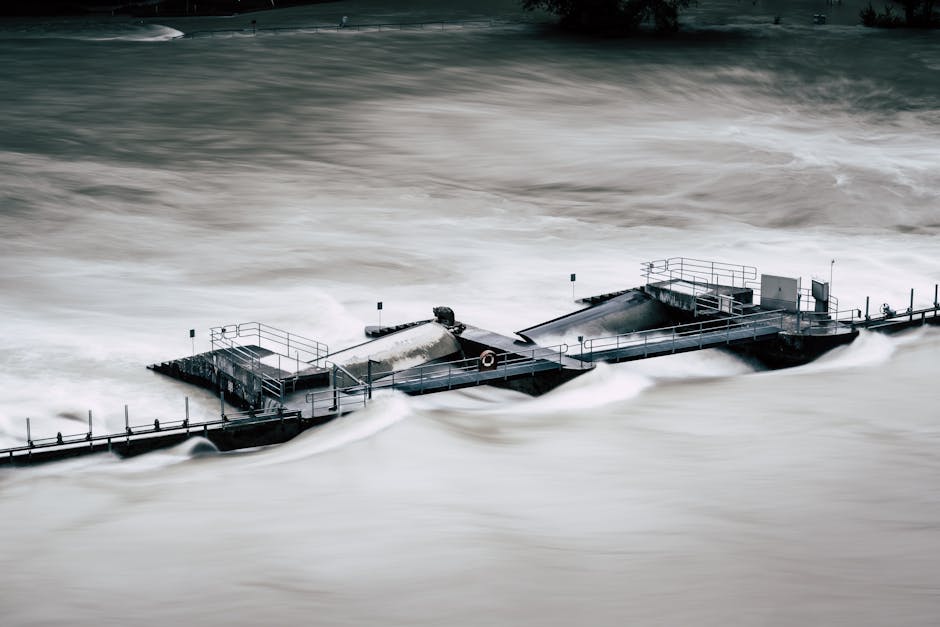
Emergency flood cleaning near Balham Station explained
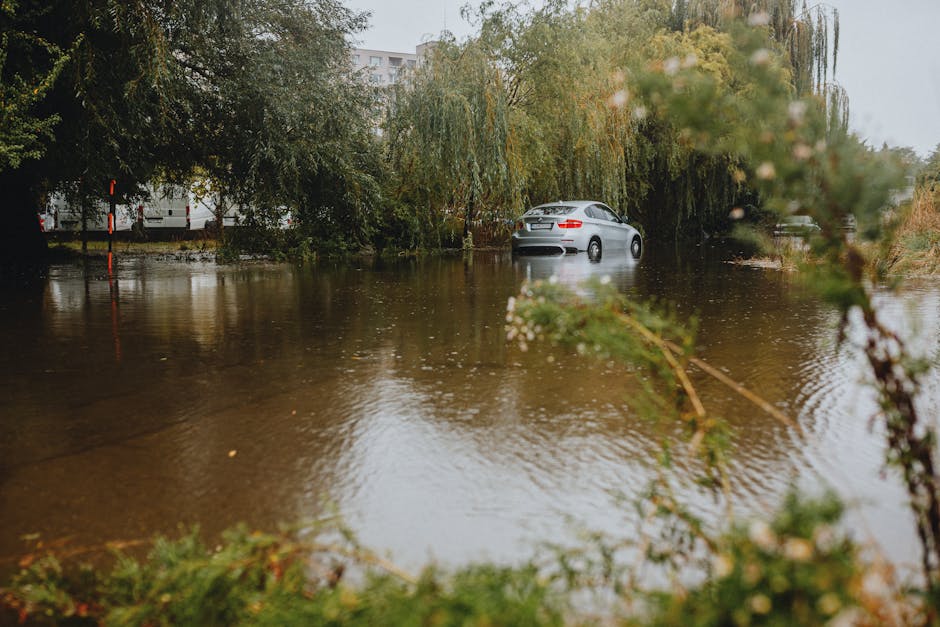
If water has suddenly spread through a flat, shop, office, or hallway near Balham Station, the first few hours matter more than most people realise. Emergency flood cleaning near Balham Station explained is really about getting the water out, drying the property properly, and stopping hidden damage before it turns into something far more expensive and stressful. To be fair, when you are standing there with wet floors and that damp smell creeping in, it is hard to think clearly. This guide walks through what the service involves, how it works, what to expect, and the practical decisions that help protect your space.
Whether the problem came from a burst pipe, overflowing appliance, heavy rain, or a leak that nobody noticed until the carpet squelched underfoot, the goal is the same: act fast, limit damage, and clean in the right order. You will find a straightforward explanation below, plus a checklist, common mistakes, and answers to the questions people ask most.
Why Emergency flood cleaning near Balham Station explained Matters
Flooding is not just about visible water. It is about what water does once it gets into floors, skirting boards, wall voids, subfloors, furniture, and electrics. Near Balham Station, that can mean homes above shops, busy shared entrances, basement rooms, or tightly packed properties where water moves quickly from one area to another. The visible mess is only the beginning.
The first reason this service matters is speed. Water that is left sitting can stain carpets, swell wood, loosen adhesive, ruin underlay, and create the sort of lingering damp that refuses to leave. The second reason is hygiene. If the floodwater is from a contaminated source, or if it has picked up dirt from outside, the cleaning approach needs to be much more careful than a standard mop-and-bucket job. And yes, there is a difference. A big one.
There is also the local reality of access. Around a station area, people often need help quickly because they are trying to manage tenants, commuters, customers, or neighbours at the same time. A solid emergency clean is not just about wiping surfaces. It is about getting the space safe, dry, and usable again without adding panic to an already messy day.
Practical takeaway: the sooner you start proper flood cleaning, the more chance you have of saving flooring, reducing odour, and avoiding secondary damage such as mould or warped timber.
That is the real value here. Not dramatic claims. Just fewer surprises later.
How Emergency flood cleaning near Balham Station explained Works
Emergency flood cleaning usually follows a clear sequence, although every property is a bit different. A small kitchen leak in a flat does not need the same response as a flood across a ground-floor commercial unit. Still, the basic process is similar.
1. Assessment and safety check
The first job is to identify what kind of water is involved. Clean water from a burst pipe is one thing. Grey water from appliances is another. Floodwater that has come in from outside, or water mixed with sewage, is a different situation again. That matters because it affects what can be cleaned, what needs disinfecting, and what should be removed entirely.
Safety checks also include obvious but important things: electrical risks, slip hazards, unstable furniture, and whether any materials should be isolated immediately. A quick look is never enough. You need a proper assessment, even if the room looks manageable at first glance.
2. Water extraction
Standing water is removed using suitable extraction equipment. This could be portable extraction machines, wet vacuums, or pumps depending on the depth and spread. The goal is to reduce moisture quickly before it soaks deeper into the structure.
In a real flat, you may hear the low hum of machinery before you see much change. Then the room starts to feel less oppressive. Still wet, of course, but less hopeless. Tiny win, but a win.
3. Sorting salvageable items from damaged ones
Not everything needs to be thrown away, and not everything can be saved. Soft furnishings, rugs, paper goods, mattresses, and low-value items may need separate handling. Some can be cleaned and dried; others may be too contaminated or too saturated to recover safely. This judgment call is where experience matters.
If you want to protect other soft items too, it can help to look at specialist support such as rug cleaning, sofa cleaning, or upholstery cleaning once the immediate flood risk has been dealt with.
4. Cleaning and disinfection
After water removal, the affected surfaces are cleaned and, where needed, disinfected. This may include hard flooring, skirting, tiles, furniture legs, and any non-porous areas that have been contaminated. If the property has absorbent materials, the cleaning method needs to be chosen carefully so that moisture is not simply pushed deeper.
5. Drying and dehumidification
Drying is not optional. Honestly, this is where rushed jobs often go wrong. Air movers and dehumidifiers are used to reduce moisture in floors and air, and in some cases the area is monitored over time to make sure hidden moisture is going down rather than sitting quietly in the background.
6. Odour control and final check
Once the space is dry, a final check helps confirm that the area is safe and usable. If materials were affected by smell, stains, or contamination, additional treatments may be needed. You want the property to feel normal again, not just look normal for a day.
Key Benefits and Practical Advantages
Emergency flood cleaning does more than make the place look tidy. The real benefits are practical and, in many cases, financial.
- Less structural damage: fast extraction reduces the chance of warped floors, softening plaster, and staining.
- Lower mould risk: moisture left behind is one of the main reasons mould starts developing later on.
- Better salvage rates: carpets, rugs, and some furnishings may be recoverable if handled quickly.
- Cleaner air: damp spaces often smell musty fast; proper drying helps restore the room environment.
- Less disruption: for households, landlords, and businesses, speed means less time with rooms out of use.
- Clearer next steps: a structured clean helps you decide what can be saved, replaced, or documented for insurance.
There is also a mental benefit that people do not always mention. When someone turns up and starts working methodically, the situation feels less chaotic. It sounds small, but after a flood, that calm pace matters.
If you are dealing with a wider property reset after water damage, related services such as deep cleaning, one-off cleaning, or even house cleaning may become relevant once the emergency phase is over.
Who This Is For and When It Makes Sense
This kind of service is for anyone dealing with sudden water intrusion and needing a proper response quickly. In practice, that often includes:
- homeowners with burst pipes or appliance leaks
- tenants who have discovered flooding in a flat or hallway
- landlords managing an urgent repair between occupants
- shop owners or cafe managers who need the premises back in order
- office managers dealing with water in carpets, storage rooms, or reception areas
- building managers responsible for shared spaces and communal access
It makes sense when the water has gone beyond a simple wipe-up. If the carpet feels heavy and damp underfoot, if skirting boards are wet, if there is a smell already, or if you cannot tell where the water has spread, that is the point to act. Waiting to see if it dries on its own? Not a great plan, truth be told.
For landlords and managing agents, the need is often about avoiding a chain reaction: wet hallway, complaint from tenants, then hidden damage, then more expense. For local businesses near the station, the priority may be different. A flooded office or retail area often needs fast drying to reduce downtime and protect stock, especially if customers or staff still need access the same day.
Step-by-Step Guidance
If you are trying to handle the early stage calmly, this is the order that usually makes most sense.
- Stop the source if you can do so safely. Turn off a valve, stop an appliance, or isolate the immediate issue where possible. If you are not sure, do not start experimenting with pipes.
- Switch off electrics in affected areas only if safe. Water and electricity are a bad mix. If sockets, wires, or appliances are wet, keep clear and wait for a proper check.
- Move valuables and soft furnishings. Take items to a dry room or higher ground. Quick action here can save a surprising amount.
- Photograph the damage. This helps with records and insurance conversations later on. A few clear pictures are better than a vague memory.
- Start extraction and drying. Use suitable equipment rather than towels alone. Towels help, but they are not the whole answer.
- Separate materials by condition. Keep salvageable items apart from contaminated or heavily damaged ones.
- Check hidden areas. Under rugs, behind furniture, near skirting, and under units are the places where water likes to lurk.
- Monitor humidity and smell. If the room still feels clammy or smells musty after surface drying, the job is not finished yet.
One useful habit: keep doors open where possible to help air movement, but only if it does not spread contamination or create security issues. Small judgment calls like that matter more than people think.
If the flooding follows building work or a renovation, the cleaning response may overlap with after builders cleaning, especially where dust and debris have mixed with water. Different mess, same need for a proper sequence.
Expert Tips for Better Results
Here are a few things that experienced cleaners and property managers tend to prioritise, even if the room does not look too bad at first glance.
- Do not trust the surface. A floor can feel dry and still hold moisture underneath. That hidden damp is the sneaky bit.
- Lift textiles early. Rugs, runners, and floor mats can trap water and slow down drying underneath.
- Pay attention to the edges. Water often travels to the perimeter first, so check skirting boards and corners.
- Use the right cleaning method for the material. Timber, laminate, carpet, vinyl, and tile all behave differently after flooding.
- Keep a simple log. Note what was affected, what was removed, and what was dried. It sounds a bit admin-heavy, but later you will be glad you did.
- Act before odour sets in. A damp smell is often a sign that moisture is still present somewhere.
Another useful tip: if the flood has affected a carpet, it is not always enough to clean the top fibres. The underlay and subfloor can hold much more moisture than the visible surface. That is why specialist support such as carpet cleaning or steam carpet cleaning may be part of the recovery plan, but only after the area has been assessed properly.
And yes, sometimes the best tip is very unglamorous: resist the urge to keep poking at the wet patch every ten minutes. It does not dry faster because you are staring at it.
Common Mistakes to Avoid
Flood recovery tends to go wrong in predictable ways. Knowing them up front saves hassle.
- Waiting too long to act. The longer water sits, the more damage it causes.
- Using household fans alone. Fans can help with air movement, but they rarely solve the problem by themselves.
- Ignoring hidden moisture. If you only dry what you can see, you may leave the deeper layers damp.
- Keeping contaminated items in the room. That can spread odours and make cleaning harder.
- Assuming all flooring can be saved. Some materials tolerate water better than others. Some really do not.
- Skipping photos and notes. A bit of documentation goes a long way.
- Using too much detergent. More product is not always better. Sometimes it just leaves residue.
One more mistake, and it is a common one: treating a flood clean like a normal domestic tidy-up. It is not. The sequence matters. The drying matters. The water source matters. A rushed cosmetic clean can hide the problem, which is awkward now and expensive later.
Tools, Resources and Recommendations
Emergency flood cleaning uses a mix of practical equipment and sensible judgement. The main tools often include:
- water extraction machines
- wet vacuums
- air movers
- dehumidifiers
- moisture meters
- protective gloves and footwear
- disinfectant suitable for the surface and contamination level
- absorbent cloths and containment materials
Not every job needs every tool, of course. A small kitchen leak and a soaked hallway carpet are different beasts. But if you are choosing a provider, it is worth checking whether they have the equipment needed to do more than just make things look better for a few hours.
It can also help to understand adjacent services that may become relevant after the water is cleared. For example, if the flood has affected a business premises, commercial cleaning or office cleaning may be useful once the structure is dry. If the problem has spread to shared hallways, communal area cleaning can help restore access and presentation.
When asking for support, a few good questions go a long way:
- How do you assess the type of water involved?
- What drying process do you use?
- How do you decide what can be salvaged?
- Do you check hidden moisture, not just surfaces?
- Can you advise on next-step cleaning once the area is dry?
Law, Compliance, Standards, or Best Practice
Flood cleaning often touches on health and safety, insurance, tenant responsibility, building management, and sometimes waste handling. The exact legal position depends on the property, the source of the flood, and who is responsible for what. That is why careful records and a sensible process matter.
In UK settings, best practice usually includes reducing exposure to contaminated water, protecting workers and occupants from slips and electrical risks, and making sure waste is disposed of responsibly. If the water may be dirty or sewage-related, extra caution is needed. If there is any doubt about structural damage or electrics, a qualified professional should be involved rather than guessing.
For businesses, the same practical principle applies: keep the area safe, limit access, and maintain a clear trail of what happened and what was done. If customers, staff, or contractors need to move through the property, proper signage and barriers may be needed. A slightly boring point, maybe, but the kind that prevents accidents.
If you are comparing providers, it is wise to look at their health and safety policy, insurance and safety information, and terms and conditions. Those pages can give you a better sense of how seriously they handle risk, responsibility, and expectations. That matters when water has already made life complicated enough.
Options, Methods, or Comparison Table
Different flood situations call for different approaches. Here is a simple comparison to help you see the trade-offs.
| Method | Best for | Strengths | Limitations |
|---|---|---|---|
| Basic wipe-up and ventilation | Very small, clean spills | Quick, low-cost, easy to start | Not enough for soaked flooring or hidden moisture |
| Extraction plus drying equipment | Most emergency flood incidents | Removes water fast and supports deeper drying | Needs proper equipment and monitoring |
| Disinfection and sanitising | Contaminated or uncertain water sources | Improves hygiene and reduces odour risk | Must be matched to the surface and contamination level |
| Targeted item salvage | Rugs, furniture, and textiles with a chance of recovery | Can save money and reduce waste | Not every item can be recovered safely |
| Full strip-out and replacement | Severe contamination or structural saturation | Addresses hidden damage thoroughly | More disruptive and usually more expensive |
In real life, a job often starts with one method and moves into another. That is normal. Flood response is rarely neat, and it would be a bit suspicious if it were.
Case Study or Real-World Example
Imagine a first-floor flat a short walk from Balham Station on a rainy evening. A washing machine hose comes loose while the occupants are out. By the time they return, water has spread from the utility corner into the hallway and part of the lounge carpet. Nothing dramatic in the movie sense, but enough to ruin the evening and potentially the flooring if ignored.
The first step is to stop the water source and make the area safe. Then the standing water is extracted, furniture legs are checked, and the carpet edges are lifted enough to inspect what is happening underneath. A dehumidifier is set up, and the room is monitored over the next period rather than just cleaned once and forgotten. The kitchen kickboard area is checked too, because water likes to creep where you cannot easily see it.
What makes this kind of response work is not fancy language. It is sequence. The water comes out first. Then the moisture. Then the final clean. If the smell drops and the floor is dry to the right depth, the risk of lingering damage goes down a lot.
Now, if the same water had been left overnight, the situation could have changed completely. The carpet backing might have held moisture, the underlay could have deteriorated, and the lounge might have needed much more extensive treatment. That is why emergency response really does matter.
Practical Checklist
Use this checklist if you are dealing with a flood event and need a calm way to think it through.
- Identify the water source if it is safe to do so.
- Reduce the risk of electric shock by keeping clear of wet sockets and appliances.
- Remove people and pets from unsafe areas.
- Take quick photos for your records.
- Move dry items out of the affected space.
- Extract standing water as soon as possible.
- Check under furniture, rugs, and edges of flooring.
- Use drying equipment long enough to deal with hidden moisture.
- Clean and disinfect contaminated surfaces appropriately.
- Keep an eye out for lingering smell, staining, or damp patches.
- Document what was damaged, removed, or salvaged.
- Arrange follow-up cleaning if the area is still not right.
Expert summary: fast action, proper drying, and realistic judgment are the three things that make the biggest difference. Everything else supports those three.
If you are comparing quotes or trying to understand what a proper response should cost, the details of the job matter more than a headline figure. Scope, contamination, room size, access, and drying time all affect the final approach. You can review pricing and quotes if you want to understand how service decisions are usually framed, and use contact us when you are ready to talk through your situation.
Conclusion
Emergency flood cleaning near Balham Station is about much more than removing visible water. It is a careful response that protects floors, furnishings, air quality, and the long-term condition of the property. If you move quickly, check the source, dry thoroughly, and avoid the common mistakes, you give yourself the best chance of limiting damage and getting back to normal with far less stress.
That normal feeling matters. A dry floor, a room that no longer smells musty, the quiet hum of a dehumidifier doing its job in the background - these are the signs that things are getting back on track. Not glamorous, but reassuring. And sometimes that is exactly what people need most.
Get a free quote today and see how much you can save.
Frequently Asked Questions
What counts as emergency flood cleaning?
It is the fast-response cleaning and drying of a property after sudden water intrusion, such as a burst pipe, appliance leak, or outside flooding. The aim is to remove water quickly, reduce damage, and prevent problems like mould, staining, or warped flooring.
How quickly should flood cleaning start?
As soon as it is safe to do so. The first few hours are especially important because moisture spreads into floors, walls, and furniture. Even if the visible water looks minor, hidden damp can become a much bigger issue if it sits too long.
Can I just use towels and a fan?
For a tiny spill, maybe. For an actual flood, usually not. Towels and a fan can help at the edges, but they rarely remove enough moisture from carpets, underlay, or subfloors. That is where proper extraction and drying equipment make a real difference.
Is floodwater always treated the same way?
No. Clean water, grey water, and contaminated floodwater require different cleaning approaches. The source matters because it affects hygiene, safety, and whether some items should be cleaned, disinfected, or removed.
What should I do first after finding flooding?
Stop the source if you can do so safely, keep away from electrical risks, move people out of danger, and take photos. After that, start water removal and drying as quickly as possible. Calm first, then action. That order helps.
Will my carpet always need replacing after a flood?
Not always. Some carpets can be cleaned and dried successfully if the response is fast and the contamination level is manageable. But if the water has soaked through deeply, or if the source is contaminated, replacement may be the safer option.
How do I know if hidden moisture is still there?
Signs can include a lingering damp smell, cool or soft flooring, staining, or areas that keep feeling clammy after surface drying. Professional moisture checks are usually more reliable than guesswork, especially with thicker flooring or subfloors.
Can flood cleaning help with odour?
Yes, if the moisture source is dealt with properly. Odour often comes from trapped damp, dirty water, or affected materials that were not fully dried. Cleaning alone is not always enough; the drying stage is what really changes the result.
Does flood cleaning apply to businesses as well as homes?
Absolutely. Shops, offices, communal areas, and hospitality spaces often need urgent cleaning after water damage because downtime, safety, and customer access all matter. In some cases, the pressure is even greater than in a home.
How do I choose a provider for flood cleaning?
Look for clear explanations of their process, evidence of insurance and safety awareness, and practical details about extraction, drying, and follow-up. It helps if they can explain what they will do in plain English, not just throw around jargon.
What if the flooding happened in a shared building near the station?
Then access, responsibility, and timing become even more important. Shared hallways and common areas often need coordinated cleaning so residents and visitors can move safely. Communal spaces are easy to overlook, but they can cause the most disruption if left damp.
How long does flood drying take?
It depends on the amount of water, the materials involved, the room size, and air movement. Some spaces dry relatively quickly, while others need longer monitoring. The honest answer is that drying should be guided by condition, not by the clock alone.
Is it safe to stay in the property after flooding?
Sometimes yes, sometimes no. It depends on the water source, electrical safety, contamination, and whether the affected room can be isolated. If there is sewage, structural damage, or electrical uncertainty, it is safer to avoid the area until it has been checked properly.