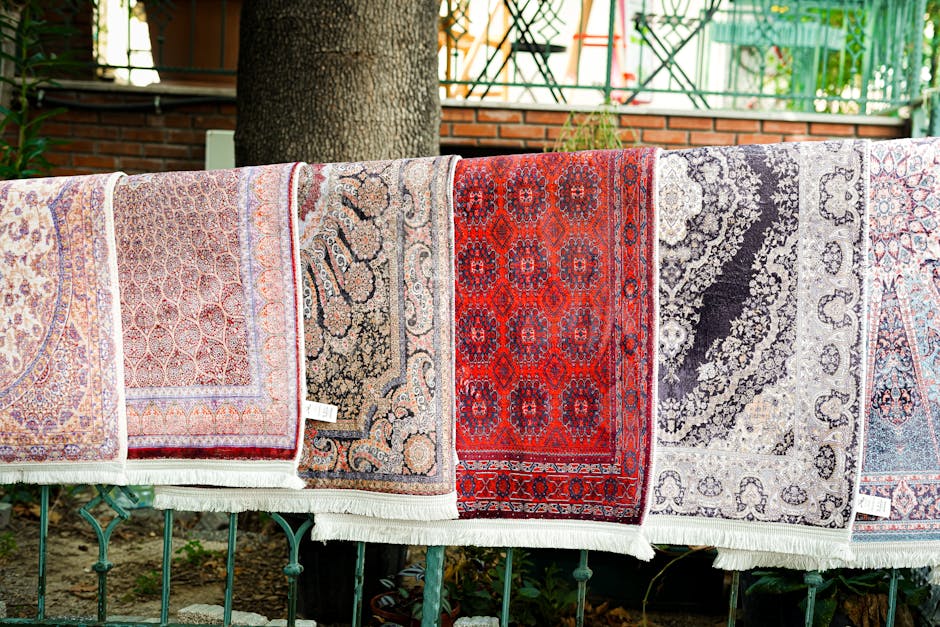
Nightingale Lane rug cleaning experts Balham: a practical guide to cleaner, longer-lasting rugs
If you live near Nightingale Lane and you have a rug that's looking tired, dull, or a bit too familiar with old tea spills, you're not alone. Rugs take a beating in Balham homes: muddy shoes after a wet London walk, pet hair that seems to appear from nowhere, and the odd accidental splash from dinner. This guide to Nightingale Lane rug cleaning experts Balham walks you through what professional rug care actually involves, why it matters, and how to choose the right approach for your home. It's written to help you make a sensible decision, not a rushed one.
In practice, the difference between a surface clean and a proper rug clean can be night and day. A good clean can brighten colours, lift embedded grit, reduce odours, and help protect fibres from premature wear. Let's face it, a rug is often the thing that quietly ties a room together. When it's clean, the whole place feels calmer.
Why Nightingale Lane rug cleaning experts Balham Matters
A rug is not just decoration. It's a high-contact surface that collects soil deep in the pile, especially in busy homes, shared flats, and family spaces. On streets around Nightingale Lane, where people are coming and going all day, rugs often catch the grit before it reaches the rest of the room. That sounds useful, and it is, but it also means the rug is doing a lot of invisible work.
Over time, embedded dirt can make fibres look flat and worn. It can also act a bit like sandpaper underfoot, gradually wearing down the pile. That's one reason routine care matters so much. If you wait until a rug looks visibly ruined, you're often dealing with deeper soiling than you think.
There's also the hygiene side. Rugs can hold dust, pollen, pet dander, food residue, and moisture. In homes with children, pets, or allergies, regular cleaning becomes less about appearance and more about everyday comfort. You may not notice it at first, but the room often smells fresher and feels lighter after a proper clean. Small detail, big difference.
For valuable pieces, the stakes are higher still. Wool, silk, viscose, jute, and blended rugs can all react differently to water, heat, and cleaning chemistry. A broad-brush clean is risky. A careful one is better, obviously.
Expert summary: The best rug cleaning is not the strongest clean; it's the most suitable one. Fibre type, dye stability, pile construction, backing, and drying time all matter.
How Nightingale Lane rug cleaning experts Balham Works
Professional rug cleaning usually starts with identification, not scrubbing. That's a good sign. A cleaner should look at the rug's fibre type, weave, condition, staining, and any previous cleaning attempts. A smart process may also include a quick test in a hidden area to check colourfastness. You do not want dyes bleeding because somebody was in too much of a hurry.
After that, the rug is normally dusted or vacuumed thoroughly to remove dry soil. This step matters more than people expect. Dry particles can become mud if the rug is wet too early, and that mud sinks deeper into the pile. Once the loose grit is out, targeted stain treatment can begin.
Different rugs call for different methods. Some respond well to low-moisture cleaning, while others need more intensive washing and careful extraction. A professional may use specialised rinse techniques, spot treatments, deodorising, and controlled drying. In some cases, rugs are cleaned off-site for better handling and more even drying. That's especially sensible for delicate or heavily soiled items.
Good drying is not a footnote. It is the part that prevents that musty smell everyone dreads. A rug that stays damp too long can develop odour or distortion, and nobody wants a lovely room to smell like a wet cellar on a Monday morning.
If you're already comparing cleaning options, you may find it useful to look at the wider rug cleaning service alongside related services such as steam carpet cleaning, stain removal, or pet stain odour removal when the issue is broader than the rug alone.
Key Benefits and Practical Advantages
The obvious benefit is a cleaner rug. The better benefit is a rug that stays in service longer and looks more like itself again. Here's what that usually means in real life.
- Brighter appearance: Dirt dulls colour. Once it's removed, patterns and tones tend to come back to life.
- Improved comfort: A clean rug feels softer underfoot and more pleasant in everyday use.
- Better indoor freshness: Professional cleaning can help reduce lingering odours from pets, spills, or general living.
- Longer lifespan: Removing grit and residue reduces wear on the fibres.
- More suitable care for valuable rugs: Delicate items need the right treatment, not just a quick soak and hope.
- Helpful stain management: Some marks, especially fresh ones, respond much better to proper professional treatment.
There's a practical side too. If your rug sits in a hallway, living room, or open-plan space, it often sets the tone for the whole home. A well-cleaned rug can make a room feel tidier without you having to repaint, rearrange, or buy anything new. Nice, really.
And for landlords, tenants, and hosts, there's a reassurance factor. Clean rugs support a better first impression, which matters whether you're handing over a flat, welcoming guests, or simply trying to keep up with a busy household. For broader property care, some people also pair rug cleaning with end of tenancy cleaning, one-off cleaning, or deep cleaning when the place needs a more complete reset.
Who This Is For and When It Makes Sense
This kind of cleaning is useful for more people than you might think. If you have a rug in a high-traffic room, chances are it needs attention before it looks obviously dirty. That's the sneaky part.
It makes sense if you:
- have pets that shed hair or leave the odd accident behind
- live near busy roads and notice dust building up quickly
- have children who drop food, drinks, or sticky things with impressive speed
- own a wool, oriental, shaggy, or hand-tufted rug that needs careful handling
- are preparing for guests, photos, or a property handover
- have a rug with localised stains, odours, or flattening
- want to extend the life of a rug you genuinely like, rather than replace it
If the rug is very cheap and already fraying badly, a deep clean may not be the right use of money. To be fair, sometimes replacement is the better call. But if the rug has sentimental value, is made from quality fibres, or simply suits the room perfectly, a professional clean can be a sensible investment.
This is especially true in homes with mixed flooring. A lot of Balham homes use rugs to soften hard floors, reduce echo, or create warmer spaces in winter. They do a job. Keeping them clean helps that job continue.
Step-by-Step Guidance
If you're wondering how to approach rug cleaning properly, here's a clear sequence that reflects how a careful professional service usually works. Nothing fancy. Just the right order.
- Inspect the rug first. Check the label if there is one, note the fibre type, and look for worn areas, loose threads, or colour instability.
- Test for colourfastness. Especially important on dyed or vintage rugs. A hidden spot test can prevent unpleasant surprises.
- Remove dry soil. Vacuum both sides if appropriate, or dust the rug thoroughly to lift dry grit before any moisture is introduced.
- Treat stains individually. Spills are not all the same. Tea, wine, grease, pet accidents, and mud need different treatment approaches.
- Choose the right cleaning method. This might be low-moisture care, hand cleaning, immersion, or another fibre-safe process.
- Rinse and extract properly. Cleaning residue should not be left sitting in the fibres.
- Dry in a controlled way. Airflow, spacing, and time matter. Rushing this part is a common mistake.
- Final grooming and inspection. The pile may be brushed or reset so the rug dries neatly and looks even.
One little thing that often gets missed: the underside and backing. If moisture gets trapped there, the rug can curl, smell, or dry unevenly. That's why a careful cleaner thinks about the whole piece, not just the visible top.
Expert Tips for Better Results
Here's where a bit of practical know-how helps. These are the sorts of details that separate a decent result from a proper one.
- Treat spills quickly, but gently. Blot, don't rub. Rubbing usually pushes the stain deeper and can rough up the fibres.
- Vacuum regularly. Dry soil is the enemy. A few minutes each week can make professional cleaning more effective later.
- Rotate the rug. This helps even out wear and sunlight exposure, especially near windows.
- Use a rug pad if suitable. It reduces slipping and can improve airflow beneath the rug.
- Keep an eye on fragrance sprays. Some leave residue that attracts dirt or interferes with later cleaning.
- Ask about fibre-specific methods. Wool, for example, often benefits from different handling than synthetic fibres.
A small but useful tip: if a stain is old, don't keep attacking it at home with random products. People do this, understandably, and then the stain gets bigger, paler, or chemically set. Bit of a nightmare. A better move is to stop, document what happened, and let a professional assess it.
If your rug is part of a bigger cleaning plan, services such as sofa cleaning, upholstery cleaning, or even curtain cleaning can be scheduled together so the room feels consistent rather than half-done.
Common Mistakes to Avoid
The biggest mistakes with rug cleaning are usually well-meant. That's the frustrating part. People try to help and accidentally make the problem harder.
- Using too much water. Excess moisture can create long drying times and odours.
- Scrubbing stains aggressively. That often damages the pile and spreads the mark.
- Using one product for everything. General sprays are not universal solutions.
- Ignoring the rug material. A wool rug and a synthetic rug do not behave the same way.
- Skipping pre-vacuuming. Wetting dirty fibres can lock grit in place.
- Drying in a closed room. Poor airflow is where damp problems start.
- Assuming every stain can be removed. Sometimes the aim is reduction, not perfection.
There's also a timing mistake: leaving a stain too long and hoping it disappears on its own. It rarely does. It settles in, oxidises, or changes colour. A fresh spill is far easier to deal with than a six-month-old mystery patch. Not exactly thrilling news, but true.
Tools, Resources and Recommendations
You do not need a truckload of equipment to care for a rug properly, but a few basics help a lot. Home care and professional care work best when they support each other.
| Tool or approach | What it helps with | When to use it |
|---|---|---|
| Vacuum with adjustable settings | Removing dry soil and dust | Weekly or more often in busy homes |
| Clean white cloths | Blotting spills safely | Immediately after accidents |
| Soft brush or pile groomer | Resetting fibres after cleaning | After drying or light maintenance |
| Rug pad | Reducing movement and wear | Under suitable rugs on hard floors |
| Professional fibre-safe cleaning | Deep soil removal and stain treatment | For valuable, dirty, or delicate rugs |
When choosing a cleaning provider, look for clear answers rather than vague promises. A reliable team should be able to talk you through the rug's fibre type, the likely method, drying expectations, and any risks. If they sound overly casual about delicate materials, that's a sign to slow down a little.
Useful site pages to review alongside your booking decision include carpet cleaning, pricing and quotes, and insurance and safety. Those pages help you think through both the service itself and the practical expectations around it.
Law, Compliance, Standards, or Best Practice
For rug cleaning, the most relevant guidance is usually best practice rather than heavy regulation. That said, there are still sensible expectations around safety, handling, and customer care in the UK cleaning trade.
Professionals should take care with chemical use, avoid unnecessary risk to occupants and surfaces, and work in line with general health and safety principles. Good practice also means being honest about what can and cannot be removed, especially with antique or naturally dyed rugs. A careful cleaner would rather say, "This mark may only improve," than promise a miracle. Honestly, that's the kind of honesty people remember.
If you're dealing with a home that has children, elderly residents, or pets, it's reasonable to ask what products are used, how long drying is likely to take, and whether any precautionary steps are needed while the rug cures. The right cleaner will answer clearly. If you need reassurance on how a business handles operational standards, it can help to review pages like health and safety policy and terms and conditions before booking.
Best practice also includes proper complaint handling, transparent pricing, and clear communication. If a provider is open about those things, that's usually a good sign.
Options, Methods, or Comparison Table
Not every rug needs the same treatment. The right method depends on construction, fibre, soil level, and how quickly you need it back in place.
| Method | Best for | Advantages | Watch-outs |
|---|---|---|---|
| Light maintenance clean | Freshening a rug that is generally in good shape | Quick, low disturbance | May not remove deep soil |
| Targeted stain treatment | Specific marks or spills | Focused and efficient | Not suitable as a full clean on its own |
| Deep professional rug cleaning | Heavier soiling, odours, or valuable rugs | More thorough, better fibre care | Needs more drying time |
| Off-site rug washing | Delicate or heavily contaminated rugs | More control, safer handling | Requires transport and planning |
For many households, the right answer is a combination. A rug might need deep cleaning now, then lighter maintenance later. That's normal. You don't have to treat it like a one-time rescue mission every time.
Case Study or Real-World Example
Here's a simple real-world example. A household near Nightingale Lane had a medium-sized rug in a living room that was starting to look flat and a bit grey around the edges. It had a few tea marks, some pet hair, and that faint stale smell that appears when a rug has been near wet shoes and a radiator for too long.
The first step was inspection. The rug turned out to be wool-blend, which meant the cleaning approach had to be careful and controlled. Dry soil removal came first, because there was a surprising amount of grit trapped in the pile. Then the stained areas were treated separately, rather than flooding the whole rug.
After cleaning and drying, the rug looked brighter and felt more even underfoot. The stain marks didn't vanish completely, because that would be unrealistic, but they were reduced enough that the rug felt presentable again. The room itself looked fresher too. That's usually what people notice first: not just the rug, but the whole atmosphere of the space.
Small victory, but a real one.
Practical Checklist
Before you book or begin rug cleaning, run through this quick checklist.
- Identify the rug material if you can
- Check for care labels, backing issues, or loose threads
- Note the main problem: stain, odour, dust, flattening, or all of the above
- Take photos of any stubborn marks before treatment
- Decide whether on-site or off-site cleaning makes more sense
- Ask about drying time and aftercare
- Keep pets and heavy foot traffic away while the rug dries
- Use a rug pad or proper placement after cleaning if suitable
- Schedule regular vacuuming so soil does not build up again
If you want a broader refresh for the home at the same time, it can be sensible to combine rug care with domestic cleaning, house cleaning, or regular cleaning so the whole property feels looked after, not just one corner of it.
Conclusion
Choosing Nightingale Lane rug cleaning experts in Balham is really about protecting something that does more work than people realise. Rugs absorb footsteps, spills, dust, and daily life. A thoughtful clean restores appearance, supports hygiene, and helps the rug last longer. More importantly, it gives you back a room that feels cared for.
If you remember just one thing, make it this: the right cleaning method depends on the rug, not the other way around. That approach saves money, reduces risk, and usually gives a better result. Simple enough, but easy to overlook when a stain is annoying you.
Get a free quote today and see how much you can save.
Whether your rug needs a refresh, a stain rescue, or a careful deep clean, the best next step is a calm, informed one. And that usually pays off. One clean rug can quietly lift an entire room, which is a nice little win, really.
Frequently Asked Questions
How often should a rug be professionally cleaned?
It depends on use, fibre type, pets, and foot traffic. Many homes benefit from professional cleaning every 12 to 24 months, but busy households may need it sooner. If the rug looks dull, smells stale, or feels gritty, that's your cue.
Can all rug stains be removed?
No, not all of them. Some stains settle deep into fibres or chemically alter the dye. Good cleaning can often improve them significantly, but exact removal is not always realistic. Honest assessment matters more than big promises.
Is steam cleaning safe for rugs?
Sometimes, yes, but not for every rug. Steam or hot water extraction can be suitable for some synthetic and sturdy rugs, while delicate fibres may need a gentler method. A proper inspection should come first.
How long does a rug take to dry after cleaning?
Drying time varies with the cleaning method, rug thickness, airflow, and room conditions. A light clean may dry faster, while a deep wash can take longer. Good ventilation helps a lot.
Should I vacuum before a professional rug clean?
Yes, if possible. Removing loose soil first makes the cleaning process more effective. If you're unsure how to handle a delicate rug, ask the cleaner whether they prefer to do the pre-vacuuming themselves.
What's the difference between rug cleaning and carpet cleaning?
Rugs are movable and often made from more varied materials, so they usually need more specific handling. Carpets are fixed in place and are treated differently. That's why carpet cleaning and rug cleaning are related, but not identical.
Can pet smells be removed from a rug?
Often, yes, especially if the issue is fairly recent. Pet odour can soak into both fibres and backing, so a deeper treatment may be needed. If the smell keeps coming back, moisture may be trapped underneath too.
Is off-site rug cleaning better than on-site cleaning?
Off-site cleaning can be better for delicate, valuable, or heavily soiled rugs because it allows more controlled handling and drying. On-site cleaning is more convenient and suits many everyday rugs. The best option depends on the item.
Do I need to move furniture off the rug first?
Small items, yes if you can. Bigger furniture is usually discussed in advance with the cleaner so the process can be planned safely. A little preparation can save a lot of awkward shuffling on the day.
How do I know if my rug is too delicate to clean at home?
If it's handmade, antique, silk, viscose, or has loose fibres, home cleaning can be risky. Fraying edges, faded dyes, and old repairs are also warning signs. When in doubt, get a professional opinion before using any liquid product.
What should I ask before booking a rug clean in Balham?
Ask about fibre knowledge, stain handling, drying time, insurance, and whether the rug will be cleaned on-site or off-site. Clear answers usually indicate a careful service. If the responses sound vague, keep looking.
Can rug cleaning help if my room smells musty?
Yes, sometimes. Rugs can hold odours from pets, spills, or damp conditions, and cleaning may improve the smell noticeably. If the room still smells musty after cleaning, though, you may need to check for ventilation or moisture issues elsewhere.